Bring Your Whole Life Onto One Clear Screen

Today we dive into Unified Life Dashboards: Merging Tasks, Calendars, Notes, and Goals, showing how a single, trusted view transforms scattered obligations into coordinated momentum. Expect approachable strategies, real-world stories, and gentle nudges you can apply immediately, whether you are juggling complex projects or protecting quiet time. By connecting intentions with time and context, you will gain clarity, reduce decision fatigue, and turn overwhelmed lists into confident action. Stay to the end for rituals, design tips, and prompts inviting your reflections, experiments, and courageous first steps.

Clarity Over Chaos

Fragmented tools multiply decisions, invite procrastination, and hide conflicts until the last minute. A unified dashboard consolidates everything you promised yourself and others into one reliable surface, revealing friction early and enabling calm choices. Instead of reacting to pings and half-remembered notes, you guide your day by what truly matters. This shift is not about productivity theater; it is about generous stewardship of your limited attention, so you can show up present, prepared, and kind to future you.

From scattered tabs to a single trusted view

Remember the creeping panic of realizing a dental appointment overlapped a crucial briefing because reminders lived in different silos? Bringing tasks, events, and supporting notes into one view prevents blind spots. Conflicts surface early, rescheduling becomes respectful, and your calendar stops feeling like a trap. That sense of groundedness invites better boundaries, deeper focus, and more honest estimates. With one truth, you are not chasing information; you are steering your commitments with steady hands.

Lower cognitive load, higher follow-through

Your brain is excellent at having ideas but terrible at storing them. Offloading intentions into a coherent system frees working memory and quiets the Zeigarnik buzz of unfinished tasks. When next steps live beside available time, you skip the draining shuffle of constant re-prioritization. Momentum grows because the path is obvious, the friction is low, and confidence compounds. Follow-through stops depending on willpower alone and starts relying on compassionate, intentional design choices.

Priorities surface when everything connects

When goals, tasks, and events live together, trade-offs become visible. You see that approving a proposal means moving a workout or trimming a meeting, not magically stretching the day. The dashboard highlights the few decisive actions that move important outcomes forward. By linking notes that explain the why, you resist urgent-but-trivial distractions. Clarity emerges not from trying harder, but from seeing reality clearly and choosing with integrity, one aligned commitment at a time.

Essential Building Blocks That Work Together
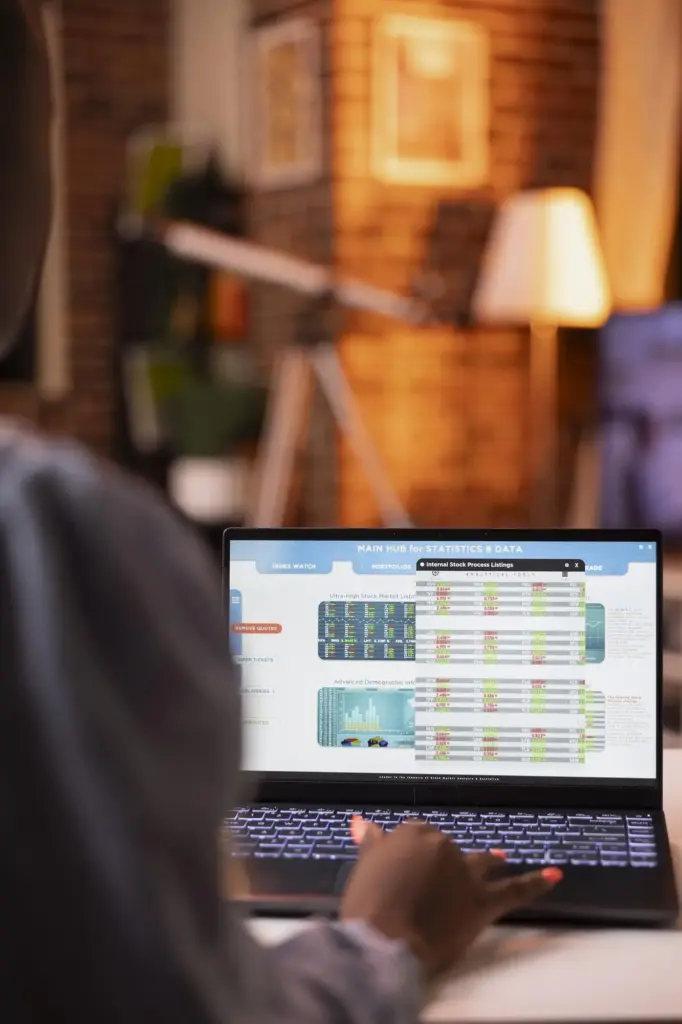
A cohesive system respects four companions: tasks tell you what to do, calendars tell you when to do it, notes tell you why it matters, and goals tell you where it is all going. The magic appears in their relationships. Tasks inherit availability from your calendar, notes anchor meaning and details, and goals provide direction so your energy gathers instead of scattering. This orchestration turns daily effort into visible progress, removing the guesswork that breeds hesitation and drift.

Tasks that live on a timeline

Detached task lists encourage fantasy scheduling. Assigning time estimates, energy labels, and soft due windows converts intentions into workable plans. Pairing tasks with time blocks prevents overcommitment while leaving generous buffers for life’s unplannable moments. Recurring maintenance, batchable errands, and deep-focus sessions find their rightful homes. By toggling a context filter, you see only feasible next steps right now, not everything you could theoretically do, creating relief and steady motion instead of calendar chaos.

Notes that remember why

The details that make tasks actionable usually live in conversations, research, and meeting write-ups. Linking a task to the exact paragraph that matters eliminates hunting and re-reading. You re-enter work with context, not confusion. Lightweight templates capture decisions, risks, and definitions of done, so you avoid reopening loops. When you revisit a project after a week, your notes rehydrate intent instantly, protecting momentum and preventing the costly spiral of reinvention and second-guessing.

All‑in‑one convenience versus modular freedom

All-in-one platforms reduce friction with native links between tasks, notes, and calendars, lowering setup overhead. However, modular stacks let you pick best-in-class tools and swap parts without upheaval. Consider your tolerance for tinkering, your collaboration requirements, and data sovereignty needs. Pilot with a real project, not a demo. If you cannot explain your setup to a tired future you in five minutes, it is probably too delicate to trust under stress.

Own your data and structure

Future resilience depends on exportable formats and transparent schemas. Markdown notes, ICS or CalDAV calendars, and task data you can meaningfully extract protect you from lock-in. Choose predictable identifiers and human-readable links so connections survive tool changes. Document lightweight conventions for tags, statuses, and project names. When structure is explicit, automations are safer, collaboration is clearer, and rebuilding after an inevitable platform shift feels like housekeeping, not heartbreaking archaeology.

Sync that you can trust

A unified dashboard collapses without dependable synchronization. Test offline edits, conflict resolution, and cross-device behavior before committing. Favor tools that surface sync status clearly and recover gracefully from errors. Set expectations with collaborators about when to refresh and how to resolve collisions. Build habits like quick manual refreshes before important meetings. Reliability is not glamorous, but nothing feels better than opening your dashboard and instantly trusting what you see, everywhere, every time.

Daily, Weekly, and Monthly Rituals

Rituals transform tools into results. Short, consistent checkpoints turn information into choices and choices into progress. A morning setup aligns your day with energy and intent. A weekly reset reconnects work to outcomes and restores neglected maintenance. A monthly reflection converts data into story, revealing patterns worth repeating. These pauses create accountability without harshness, inviting course corrections early. The dashboard becomes a living rhythm, not a museum of abandoned lists and aspirational widgets.
Begin with a two-minute scan: calendar, top three priorities, and one protective boundary. Match tasks to energy, not ego. If your afternoon is meeting heavy, schedule deep work in the morning. Preload links and documents so friction dissolves at start time. End by writing a one-sentence intention. Tiny rituals build enormous follow-through because they remove ambiguity, making the desirable action the easiest available next step in your environment.
On a chosen day, clear inboxes, reconcile calendars, groom backlogs, and review goals. Close loops, retire stale tasks, and resurface neglected commitments with kindness. Forecast capacity honestly, then choose fewer priorities than you think you can handle. Reserve visible buffer. Add a brief gratitude line to honor momentum. This ritual prevents silent overcommitment, surfaces dependencies before they bite, and gives your dashboard a fresh, breathable shape for the week ahead.

Designing the Dashboard You’ll Actually Use

Use design to reduce friction, not impress. Lead with a calm visual hierarchy, generous white space, and legible typography. Group information by decisions: plan, act, and review. Show fewer things by default, then reveal detail on demand. Provide graceful shortcuts for common flows. Embed gentle cues that protect attention without barking. When the interface feels welcoming, you return to it naturally, and returning is the secret to everything staying real, current, and trustworthy.

Habits, Change, and Staying Out of the Tool-Churn Trap

Most setups fail not because of bad features, but because expectations outrun habits. Anchor new behaviors to existing routines, start embarrassingly small, and measure consistency before speed. Make your dashboard the easiest place to capture, plan, and act. Resist rebuilding during stressful weeks; stabilize instead. Invite lightweight accountability so you are cheered, not judged. When identity shifts from “trying tools” to “keeping promises,” the stack becomes a quiet ally that lasts.

Make it obvious, easy, and rewarding

Place capture buttons where ideas occur: phone, browser, meetings. Pre-fill templates so creating a task or note takes seconds, not thinking. End sessions by queuing tomorrow’s first step to bypass morning inertia. Reward streaks with tiny celebrations or shared shout-outs. The easier the first inch, the further you will go. Systems win when they make right actions feel frictionless and emotionally satisfying, even on messy, unpredictable days filled with competing demands.

Avoid perfectionism and start where you are

Chasing the perfect setup delays the perfect day. Ship a minimal dashboard that supports one real project end to end. Learn by using, not imagining. Keep a change log and time-box improvements so tinkering never displaces progress. When friction appears, fix the smallest sharp edge first. Iteration builds confidence and reveals actual needs, preventing ornate complexity. You are building a living environment, not an exhibit, and usefulness beats elegance every single time.

Darivaronovi
Privacy Overview

This website uses cookies so that we can provide you with the best user experience possible. Cookie information is stored in your browser and performs functions such as recognising you when you return to our website and helping our team to understand which sections of the website you find most interesting and useful.